Urgent response throughout Brussels. An emergency? Contact us now at +32 471 70 63 25

en
A few days to three weeks: what happens at each stage of rodent control, what speeds up or slows down the result, and why follow-up matters as much as treatment.
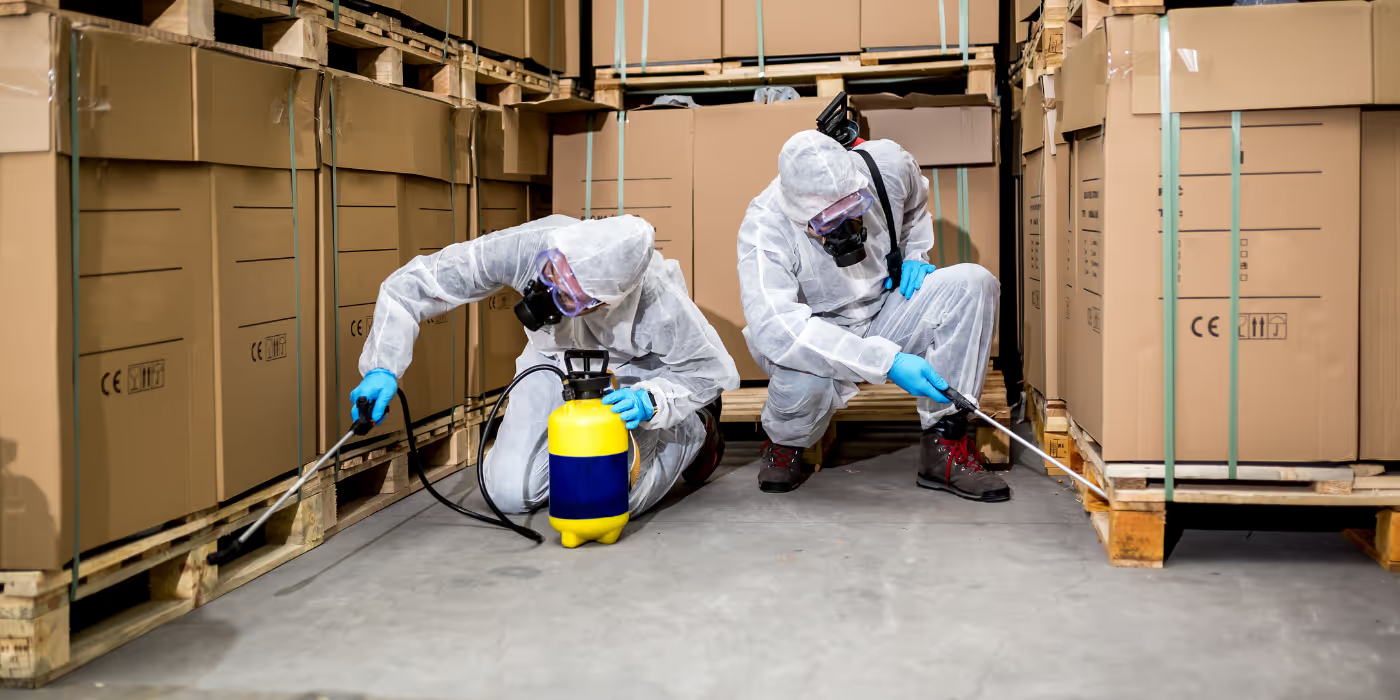
Rodent control generally takes between a few days and three weeks. The technician's visit lasts from 30 minutes to 2 hours, but the result depends on how long the rodents take to eat the baits, and then on sealing the entry points. The first effects are often seen within a few days, and complete elimination requires follow-up.
| Stage | What happens | Indicative timescale |
|---|---|---|
| Diagnosis and placement | Identifying the species, locating nests and entry points, placing the stations | 30 minutes to 2 hours, the same day |
| Rodent wariness | Rats sometimes avoid new stations | The first few days |
| Bait consumption | The baits act several days after ingestion | A few days |
| Drop in activity | Fewer noises, fresh droppings and damage | Often within a few days to a week |
| Follow-up visit | Checking the stations, replacing baits, sealing | In the following weeks |
| Follow-up | Additional visits if the infestation is major | Depending on the extent of the infestation |
For two reasons. First, anticoagulant rodenticide baits act several days after ingestion: the rodents do not link the effect to the bait, and the rest of the group keeps eating it. This is what makes the treatment effective across the whole colony.
Second, the brown rat is wary of any new object on its route. It may avoid the stations for a few days before getting used to them. Mice are more curious and eat faster.
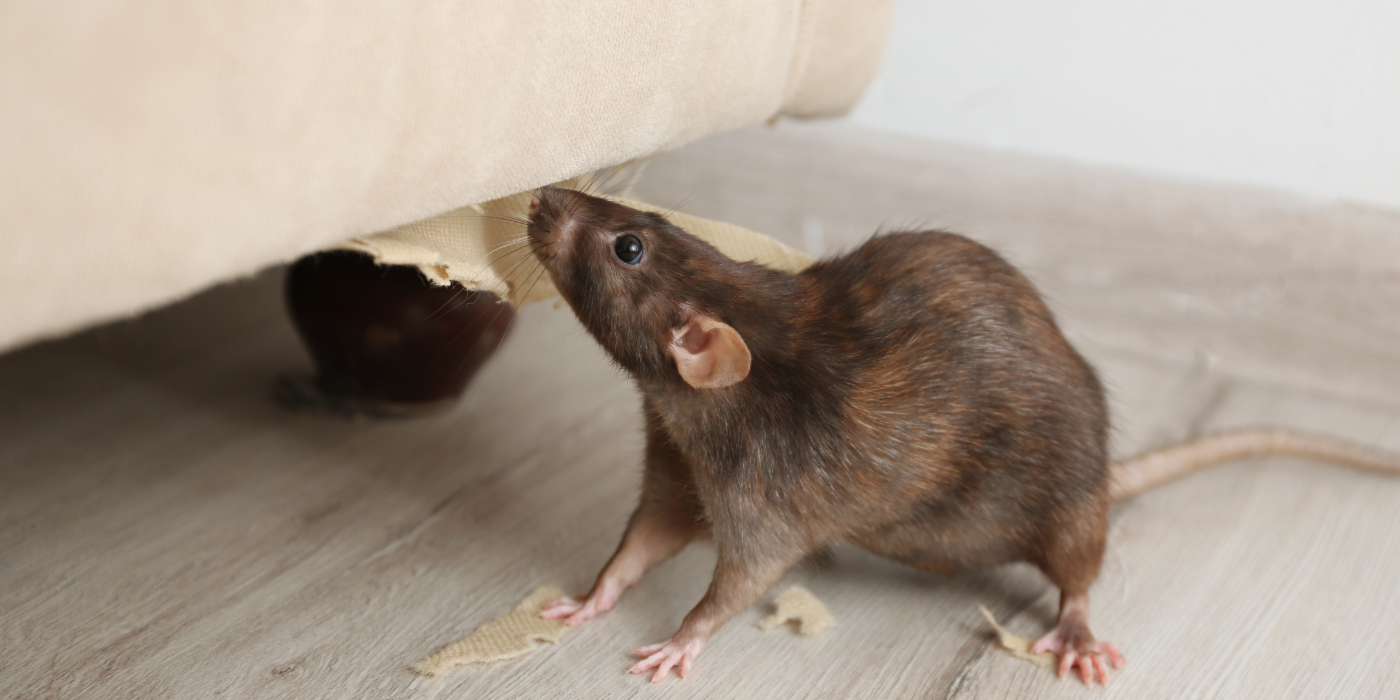
Because a single visit does not make it possible to check that all the rodents have eaten the baits. Follow-up visits are used to check the stations, replace consumed baits and confirm that activity has stopped. In general, two to three visits are enough for a domestic infestation.
Our rat and mouse control in Brussels begins with a free diagnosis. For a heavily infested building, a package of 3 visits, plus one if needed, is possible. To prevent a return, see also do mice come back after rodent control?, and for the budget, the price of rodent control in Belgium.
Have any questions? Check out our expert answers to the most frequently asked questions.
For rapid intervention in Brussels, with tailored solutions adapted to your situation.

Pest control specialists in Brussels.