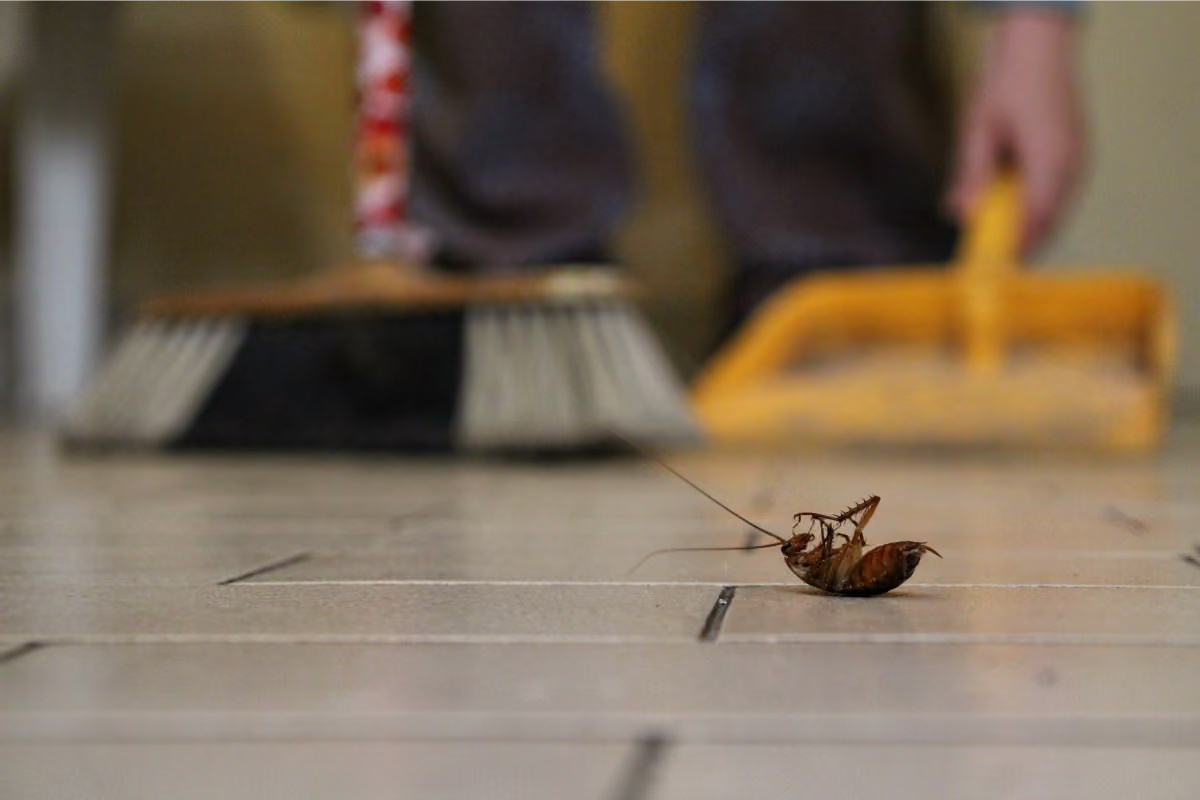
Cockroaches do more than quietly invade kitchens and flats. In urban areas, they represent a real health hazard: infectious diseases, allergies, food contamination and psychological impact. Their rapid spread through buildings makes them hard to eradicate without professional help.
Disease transmission by cockroaches
Cockroaches are genuine vectors of bacteria and viruses. As they move between bins, drains and food, they spread dangerous pathogens.
Common digestive infections
- Salmonellosis: fever, diarrhoea and vomiting within hours of eating contaminated food.
- E. coli: responsible for food poisoning and urinary tract infections.
- Gastroenteritis: inflammation of the stomach and intestines that can lead to hospitalisation.
More serious diseases
Some cockroaches also carry agents responsible for tuberculosis or typhoid fever, two severe diseases that pose a major risk in dense urban environments.
Allergies and respiratory problems
Exposure to cockroaches is a trigger or aggravating factor for asthma, especially in children.
- Their droppings, saliva and moulted skins contain powerful allergens.
- Common symptoms: itching, runny nose, conjunctivitis, night-time cough, wheezing.
- According to the WHO, up to 60% of allergic people in urban areas react to cockroaches.
Food and environmental contamination
In kitchens and restaurants, cockroaches mean filth and unsanitary conditions:
- Food and surfaces contaminated by excrement and bacteria.
- Deterioration of the living space: persistent odours, droppings building up in hard-to-reach areas.
👉 For catering professionals, an infestation can lead to administrative closure.
The most vulnerable groups
- Children: fragile immune system, frequent exposure at nursery or school.
- Older people: more sensitive to gastrointestinal and respiratory infections.
- Immunocompromised people: serious risks if they come into contact with pathogens.
Specific features of urban areas
In cities, cockroaches spread very quickly through service ducts, rubbish chutes and damp basements. A single localised infestation becomes a collective problem for the whole building.
Their presence also causes stress, anxiety and sleep disorders, affecting residents' mental health.
Conclusion
Cockroaches are much more than a nuisance: they are a direct threat to public health in urban areas. Prevention relies on hygiene, waste management and removing water sources. But when there is an infestation, only professional intervention allows lasting eradication.
👉 Discover our transparent prices for cockroach treatment in Brussels and benefit from a free diagnosis within 24 hours.