Urgent response throughout Brussels. An emergency? Contact us now at +32 471 70 63 25

en
Pharaoh ants, black ants, trails along the skirting boards: in a professional kitchen, any presence of ants puts your AFSCA compliance at stake. This guide explains how to identify the species, what EC Regulation 852/2004 requires and how to intervene with the right products without closing your establishment.
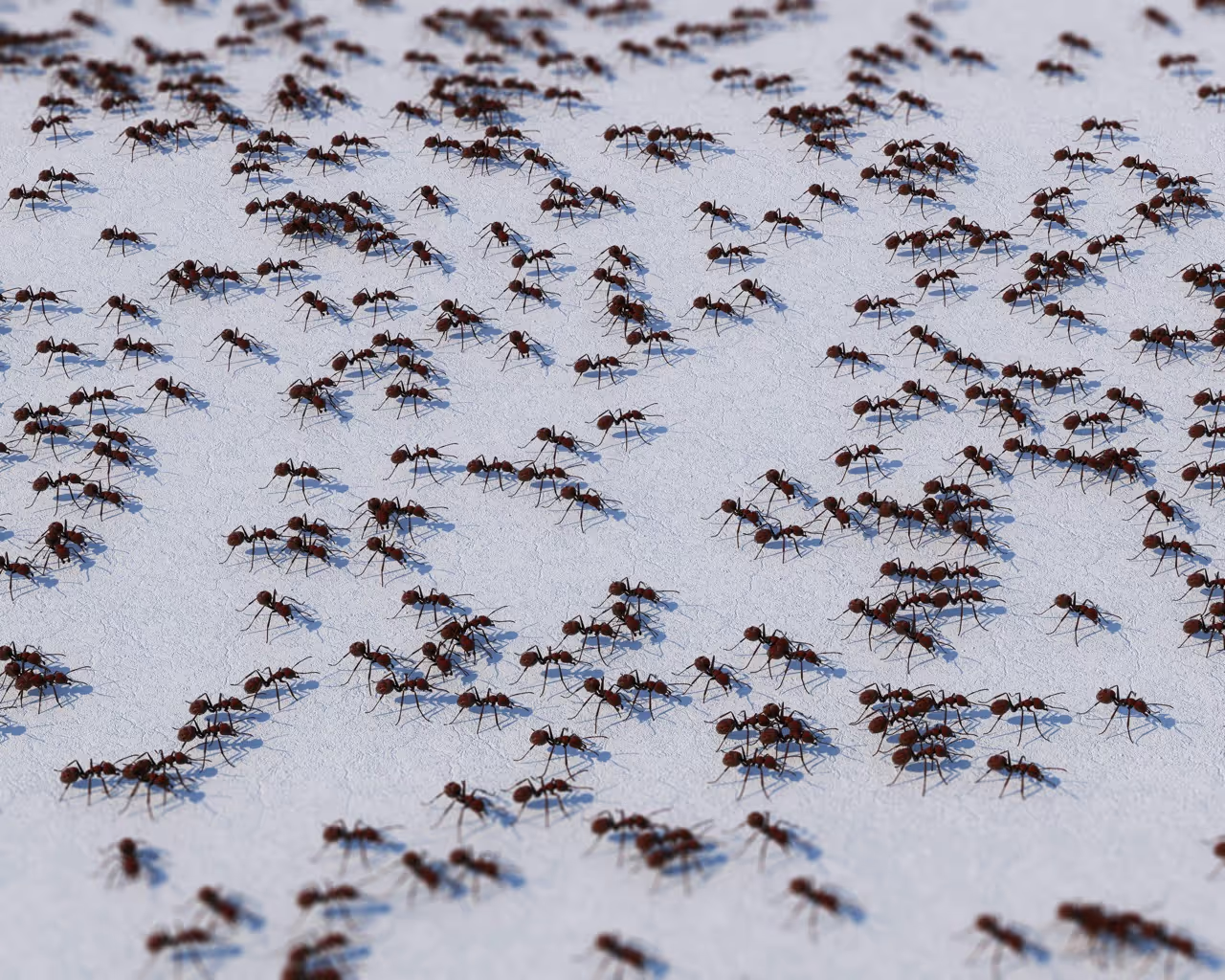
Pharaoh ants in the tile joints, black ants under the sink, ant trails along the skirting boards: in a professional kitchen, these signs are never harmless. Beyond the visual nuisance, a presence of ants directly puts your AFSCA compliance at stake, can trigger an infringement report (PV) and, in serious cases, an administrative closure. This guide explains how to identify the species involved, what the regulations require and how to intervene without endangering your teams or your business.
A professional kitchen offers ants everything they need: constant warmth, humidity, accessible food sources and corners that are hard to clean. What technicians most often find on interventions in Brussels catering businesses is that the presence of ants is never the starting problem. It is the symptom of a gap in the management of HACCP critical points.
The areas most affected are sinks and grease traps, cracks in tiling or skirting boards, storage areas for sugary foods (jams, sauces, sodas) and the spaces behind appliances. These points correspond precisely to the priority inspection areas during an AFSCA inspection.
Two species dominate reports in professional kitchens:
This distinction matters: the curative treatment is not the same depending on the species. This is one of the reasons why products available in supermarkets are rarely effective in the long term, and can even be counterproductive on pharaoh ants.
Early detection is your best protection against an AFSCA infringement report. Here is what should trigger immediate action:
In our experience, the managers who detect problems earliest are those who have formalised a weekly visual check procedure in their HACCP plan. This approach is also recommended by AFSCA in its guide on HoReCa self-checking, which specifies that every HoReCa establishment must have a documented and traceable pest control plan.
Ants in a professional kitchen are not just a matter of hygiene: they engage your regulatory responsibility. EC Regulation 852/2004, in Annex II, Chapter IX, states that every food operator must eliminate pests and prevent their access to the premises. This obligation is checked directly during every AFSCA visit.
Of the 46,000 operators inspected each year in the Belgian food chain, failures in pest control are among the most frequently recorded infringements. In Brussels, about 5,000 HoReCa establishments are subject to these inspections.
The pest control plan is one of the central pieces of your self-checking file. According to AFSCA, it must cover 4 mandatory steps: identification of species and risk areas, prevention through structural measures, monitoring via a timestamped inspection log, and curative correction through documented professional intervention.
This document must be available in the event of an inspection. A missing or incomplete plan can be enough to justify an infringement, even if there are no pests at the time of the visit. Our page dedicated to HoReCa establishments details how Fix Nuisible helps you build and maintain this file.
Penalties vary according to the seriousness and the establishment's history. An inspector who finds active ants in the kitchen and no pest control plan can issue a warning with a deadline for compliance, draw up an infringement report or, in the most serious cases, order the temporary closure of all or part of the establishment.
Treating ants in a food context is subject to constraints that rule out most of the products available in supermarkets. EC Regulation 528/2012 strictly governs the placing of biocides on the market: using unauthorised products in a professional food setting is an infringement. According to the FPS Public Health (SPF Santé Publique), only biocides on the approved Belgian list may be used professionally for pest control.
What technicians regularly find on catering interventions: using repellent sprays or contact insecticides on pharaoh ants often produces the opposite of the intended effect. Faced with a chemical threat, the colony activates a survival mechanism by splitting: a queen leaves with part of the workers to found a new nest, often deeper in the structures.
The result: a few days after an amateur treatment, an apparent disappearance of the ants is followed by their reappearance in different areas. This cycle can last for months and considerably worsen the contamination.
A certified technician works with bait gels specific to pharaoh ants: these products are ingested by the workers and passed to the queen through food sharing, which eliminates the colony at its source. For black ants, placing targeted traps combined with treating the entry points is generally sufficient.
In our experience, an intervention in a professional kitchen takes place without closing the establishment. The products used are suited to food environments and generate complete documentation for your AFSCA file. Discover our insect control interventions for professional kitchens.
Curative intervention is necessary, but not enough if the conditions that favoured the infestation are not corrected. Here are the prevention points to formalise in your HACCP plan:
A professional intervention generates the documents essential to your self-checking file:
A timestamped digital log demonstrates a proactive monitoring approach, which works in your favour during an AFSCA inspection, even if pests have been detected in the past.
Ants in a restaurant kitchen are not a mere passing nuisance. Identifying the species, intervening with the right approved products and documenting the intervention is the only response that complies with Belgian regulations. Fix Nuisible works in professional kitchens in Brussels and across Belgium with unmarked vehicles, eco-certified products and complete AFSCA documentation. Request your free quote: free diagnosis, reply within 24 hours.
Have any questions? Check out our expert answers to the most frequently asked questions.
For rapid intervention in Brussels, with tailored solutions adapted to your situation.

Pest control specialists in Brussels.